When Oil Stops Flowing: What a Strait of Hormuz Crisis Means for Global Trade
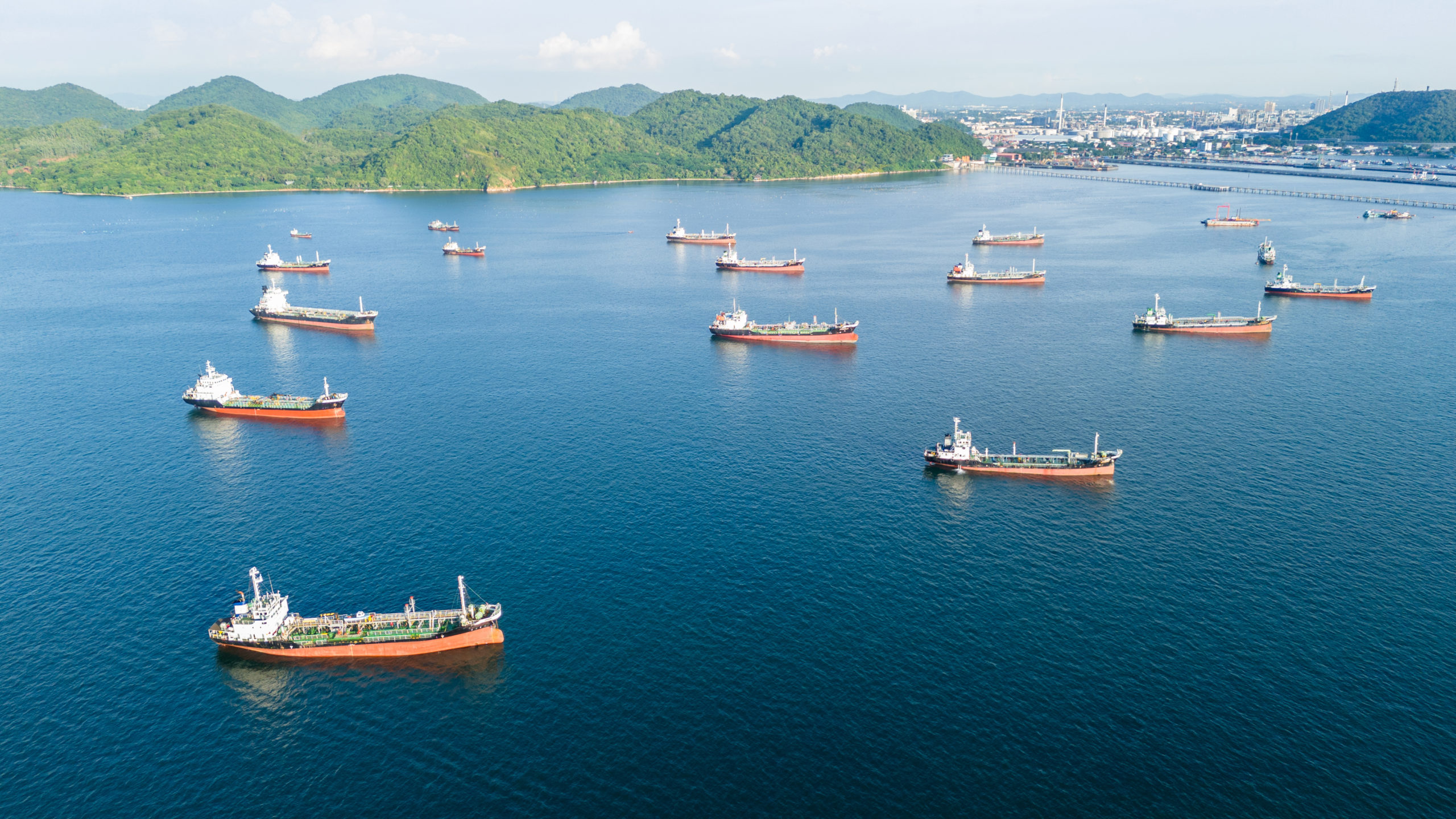
The world’s most important shipping chokepoint
Roughly 20 to 25 percent of the world’s oil supply normally passes through the Strait of Hormuz, a narrow maritime corridor between Iran and Oman that connects the Persian Gulf to global shipping routes. When tensions escalate in the Gulf and tanker traffic slows or stops, the effects ripple across energy markets, logistics networks, manufacturing supply chains, and global trade finance.
In a scenario where military conflict expands across the Gulf with Iran targeting regional infrastructure and threatening to close the strait, the result is not just a geopolitical crisis. It becomes an immediate liquidity crisis for global trade.
Energy prices surge. Shipping insurers raise premiums. Freight routes slow or reroute. Importers delay orders. Exporters face payment delays.
For many developing export economies across South Asia and Southeast Asia, these pressures quickly converge into a dangerous chain reaction that includes higher input costs, currency pressure, shipping disruptions, slower buyer payments, and working capital shortages.
At precisely the moment when exporters need liquidity the most, traditional bank financing often becomes more conservative or unavailable.
This is where resilient trade finance infrastructure becomes critical.
The immediate shock across oil, freight, and liquidity
A prolonged disruption in the Strait of Hormuz could drive several immediate economic effects across global supply chains.
🚢 Shipping insurance spikes
War risk premiums increase for vessels crossing the Gulf.
📈 Freight rates rise globally
Alternative shipping routes become congested.
💱 Currency volatility increases
Import heavy economies see pressure on foreign exchange reserves.
For exporters in many emerging markets, these pressures often converge into one operational challenge. Cash flow.
Orders still exist and buyers still want goods, but the timeline between production, shipment, and payment stretches significantly. Payment cycles that normally take 60 days can extend to 90 days or even 120 days during periods of uncertainty.
Traditional banks often respond to geopolitical instability by tightening credit exposure, slowing onboarding of exporters, and reducing cross border trade exposure. This creates a widening trade finance gap that particularly affects exporters operating in developing economies.
Country impact matrix
Below is an overview of how disruption in the Strait of Hormuz could affect several economies that are deeply integrated into global supply chains.
| Country | Flag | Key Trade Exposure | Likely Impact | Primary Risk |
| Pakistan | 🇵🇰 | Textiles and agriculture exports | Strong dependence on imported fuel | Energy inflation and currency pressure |
| Sri Lanka | 🇱🇰 | Apparel manufacturing and shipping hub | High reliance on imported fuel | Manufacturing cost increases |
| India | 🇮🇳 | Manufacturing and pharmaceuticals | Large crude importer | Inflation and logistics disruptions |
| Bangladesh | 🇧🇩 | Garment exports | Fuel import dependence and export concentration | Factory operating cost pressure |
| Hong Kong | 🇭🇰 | Trade finance and logistics hub | Financial market volatility | Liquidity tightening |
| Indonesia | 🇮🇩 | Commodities and manufacturing | Partial domestic energy but still importer | Shipping and freight cost increases |
| Vietnam | 🇻🇳 | Electronics and apparel exports | Highly dependent on global shipping routes | Freight delays and supply chain disruption |
| Thailand | 🇹🇭 | Automotive and manufacturing exports | Significant energy import exposure | Industrial production cost increases |
| Cambodia | 🇰🇭 | Apparel manufacturing | Dependent on global demand cycles | Order delays and cancellations |
| Malaysia | 🇲🇾 | Energy exports and manufacturing | Oil exports partially offset imports | Trade volatility |
| Australia | 🇦🇺 | Commodities and mining exports | Lower reliance on Gulf oil | Freight disruptions |
| New Zealand | 🇳🇿 | Agriculture and food exports | Sensitive to freight costs | Export margin pressure |
While the degree of exposure differs by country, most export driven economies face the same challenge during geopolitical disruptions. Exporters still have demand for their goods but face longer payment cycles and higher operating costs.
Why trade finance becomes critical during crisis
When global trade disruptions occur, the most immediate constraint is often liquidity rather than demand.
Factories still have orders. Buyers still need goods. However, exporters must fund production, shipping, and payroll while waiting longer periods to receive payment.
During periods of uncertainty, financial institutions frequently reduce risk exposure to cross border trade. This leaves exporters with fewer financing options precisely when working capital needs increase.
Trade finance platforms and alternative liquidity providers play an increasingly important role in bridging this gap.
How Convergence helps stabilize global trade
Convergence Capital Group focuses on building financial infrastructure that supports exporters when traditional funding channels tighten.
💰 Receivables financing
Exporters can receive payment immediately after shipment rather than waiting for buyer settlement.
🏦 Diversified liquidity sources
Instead of relying solely on banks, exporters gain access to capital from private credit funds and alternative lenders.
🧠 Risk assessment infrastructure
Advanced credit analysis allows funding decisions even when macro conditions are volatile.
🌍 Global investor participation
Institutional investors from developed markets provide liquidity that supports exporters across emerging economies even during periods of geopolitical uncertainty.
This model allows exporters to maintain stable operations even when global markets experience disruptions.
A market that will only become more important
Geopolitical volatility is not a temporary phenomenon. Over the past decade global trade has experienced disruptions from pandemics, wars, energy shocks, currency crises, and supply chain breakdowns.
Each disruption reinforces the same conclusion. Global trade requires resilient financial infrastructure that can operate across markets and economic cycles.
As supply chains expand across emerging markets, independent trade finance platforms will play an increasingly important role in maintaining stability within global commerce.
Looking forward
History shows that global trade networks eventually adapt to disruptions. Shipping routes adjust, markets rebalance, and capital flows evolve.
What matters most during these transitions is ensuring exporters maintain access to working capital so production and trade do not stall.
Trade finance plays a central role in enabling that continuity.
When shocks occur in global markets, the ability to connect capital with exporters across borders becomes one of the most important mechanisms for sustaining global commerce.
Previous Post